
Among the most critical concerns for bakeries are, “What is FSMA compliance?” and “How does it impact bakery processes?” In practice, FSMA is often about building routines that make your thermal process easier to defend and easier to repeat. When you can accurately measure what your ovens and lines are actually doing, it becomes much simpler to document control, respond to issues, and keep production moving. Technology from Reading Thermal can make it easier than you might have ever expected to take those measurements.
What FSMA Compliance Means in Everyday Terms
FSMA stands for the Food Safety Modernization Act. Its core idea is prevention. Instead of reacting after a problem occurs, facilities are expected to identify risks and set up controls that reduce the chance of those problems in the first place.
For many bakeries, this shows up as a focus on documented preventive controls, monitoring, and records. If a process step is critical to safety, you should be able to show how you control it, how you verify it, and what you do when it drifts outside your limits.
Where FSMA Touches Bakery Production
Bakeries have a mix of risks, and FSMA pushes plants to treat them systematically. Allergen control is a big one, especially with shared equipment, changeovers, and rework. Sanitation and cleaning verification matter because residues and buildup can create issues over time. Foreign material control and supplier oversight also stay on the radar.
Thermal processing often plays a central role, too. Baking may support lethality for certain products, while cooling and packaging steps can affect moisture, shelf stability, and the opportunity for contamination if the environment is not controlled. FSMA does not demand perfection. It demands a plan and proof that the plan works.
The Recordkeeping Reality and Why it Trips Teams Up
Most bakeries do not struggle with running the process. They struggle with proving the process when someone asks for evidence.
That is where gaps appear. A shift log might show an oven setpoint, but not confirm what conditions were experienced through the bake path. A change in fan performance might alter airflow, but nobody notices until color or moisture changes, and then the documentation does not explain why.
Strong FSMA compliance is not about collecting everything. It is about collecting the right information, consistently, so your records read like a clear story of control.
How Advanced Measurement Tools Support FSMA Focused Processes
Reading Thermal helps bakeries capture that story with profiling and sensing tools that make oven verification more straightforward.
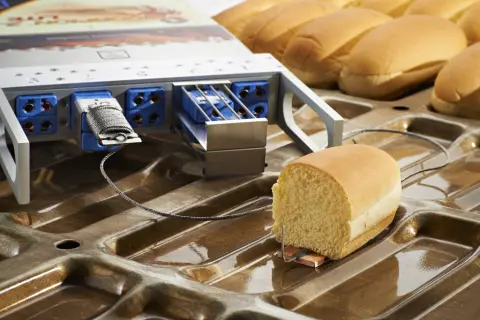
The SCORPION® 2 Data Logger can be used to capture process profiles through the oven, giving teams a practical way to verify that the thermal environment matches expectations. When you add sensors such as a Temperature Sensor Array, you can check uniformity across the belt and spot conditions that can create inconsistent outcomes.
For bakeries that benefit from visibility into moisture conditions, Reading Thermal’s Digital Humidity Sensor can help you understand whether humidity is stable through the process. If energy delivery is part of the challenge, the SCORPION® 2 Heat Flux Sensor helps quantify how heat is being transferred at product level, which can explain changes that setpoints alone do not reveal.
If you want more information on what is FSMA compliance and how it impacts bakery processes, call Reading Thermal at 610-678-5890 or contact us online.