
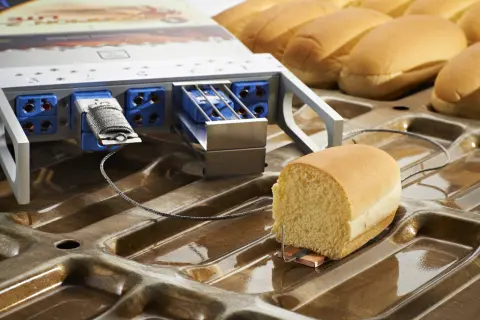
Temperature is doing more than warming up your oven. It’s setting crust color, controlling rise, shaping crumb texture, and deciding whether a batch feels consistent or frustrating. It’s easy to assume the oven’s setpoints tell the whole story, but they rarely do. If the heat that reaches the product shifts even slightly, you can end up with pale tops, dry edges, or centers that don’t finish the way you expect. That’s why Reading Thermal temperature profiling and monitoring systems to optimize baked product quality are so useful. They help you confirm what the product experiences as it moves through the oven, so you can optimize quality with fewer guesses and fewer surprises.
Why Setpoints Don’t Always Match What the Product Gets
Your oven controller can say one thing while the bake tells another story. Fans wear down, dampers drift, and airflow patterns change over time. Even a small buildup on components can affect how heat moves through a zone. On top of that, product load changes throughout a shift, and that can alter heat transfer without anyone touching a setting.
When you rely on visual checks alone, you’re often reacting after the fact. A darker crust or a dry bite usually means the line’s already produced a lot of product that way. Profiling helps you catch those shifts earlier by measuring the environment inside the oven during real production conditions.
What Temperature Profiling Really Shows You
Temperature profiling isn’t just one number. It’s a picture of how heat behaves across time and location. You can see how quickly the oven ramps up, how stable it stays, and whether one side of the conveyor runs hotter than the other. You can also spot zones that lag or spike, which can explain why the same recipe feels different from run to run.
A well-run profile gives you a baseline for what good looks like. Once you’ve got that reference, you can compare future runs and quickly see where drift is happening. That’s a big step toward consistency because you’re no longer debating opinions. You’re looking at what the oven actually delivered.
How Reading Thermal’s SCORPION 2 Helps You Monitor the Bake
Reading Thermal’s SCORPION 2 Profiling System is designed to collect process data as it travels through your bake, dry, or cool process. The SCORPION 2 Data Logger is the core piece that captures and stores the readings, and it works with Smart Sensors that help you focus on what you need to measure.
For temperature-focused work, a Temperature Sensor Array can help you map conditions across the conveyor width so you can see if heat is balanced side to side. That’s especially helpful when you’re chasing uneven browning, edge overbake, or hot spots that show up on only one lane.
If you’re trying to turn profiles into a repeatable quality tool, SCORPION Software SV8 can help you review and compare runs without turning the process into a technical project. It’s about making the data approachable so the team can act on it.
You’ll Improve Quality When You Can Prove What Changed
Temperature profiling and monitoring systems to optimize baked product quality help you build a baseline, catch drift and make targeted adjustments that protect consistency. Learn more by using our online form or calling Reading Thermal at 610-678-5890.