
Determining how to analyze airflow velocity in industrial ovens is critical to increasing the unit’s efficiency and lifespan. Technology from Reading Thermal makes it extremely easy. Our products help you see whether the oven environment is actually moving heat the same way from run to run, which is often the real driver behind consistency.
What Air Velocity Really Means for Product Consistency
Air velocity is simply how fast the air is moving in the product area. In many ovens, moving air is what delivers heat evenly and removes moisture at a predictable rate. If air speed changes, the bake can change even when temperature readings look stable.
Too much air movement in one area can push faster browning and more surface drying. Too little can leave pale spots, longer bake times, or a finish that looks uneven across the belt. The reason it feels confusing is that temperature alone does not fully describe how heat is getting into the product. Air velocity helps fill that gap in a very practical way.
Why Air Velocity Problems Often Hide in Plain Sight
A lot of bakeries and snack plants only notice air velocity issues after the symptoms appear. That is because velocity shifts can come from normal operational changes. Fan wear, buildup on louvers, damper adjustments, belt tracking changes, and even differences in loading can all influence how air moves.
The process still runs, but the environment becomes less uniform. If you are troubleshooting only with setpoints, you may never see the underlying change. Measuring air velocity lets you confirm whether airflow is balanced and consistent before you spend days chasing adjustments that do not hold.
How Reading Thermal Helps You Measure Air Velocity in the Real Process
Reading Thermal supports air velocity measurement with tools designed to travel through the thermal process and collect data in a way that makes sense for production teams.
The SCORPION® 2 Digital Air Velocity Sensor Array is built to measure air movement at product level as it moves through the oven. Instead of taking a single spot reading and hoping it represents the whole bake path, you can capture a profile that shows how velocity behaves through zones and across the process.
That sensor array works with the SCORPION® 2 Data Logger, which collects the measurements as the run happens. If you already use the SCORPION platform for temperature profiling, adding air velocity is often the missing piece that explains why two profiles with similar temperatures can still produce different results.
Connecting Air Velocity to Temperature and Humidity for Clearer Decisions
Air velocity is most useful when you view it alongside the other conditions your product experiences. Many teams will start with air velocity to locate where the oven environment is changing, then pair it with temperature profiling to confirm how that change affects the bake.
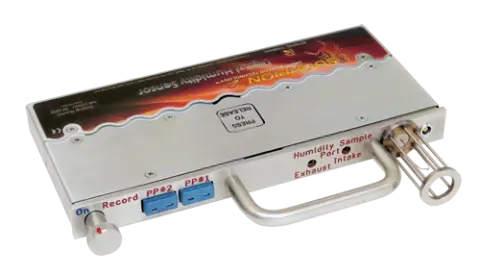
Reading Thermal’s temperature tools can help you see whether a velocity imbalance is also creating a temperature pattern across the belt. If moisture retention or drying is part of the issue, our Digital Humidity Sensor can add helpful context. You do not need to turn this into a complex science project. The goal is to connect the dots with just enough information to make a confident adjustment.
If you want to know how to analyze airflow velocity in industrial ovens in the most effective, efficient manner possible, use our online form or call Reading Thermal at 610-678-5890.