
Commercial ovens may look consistent from the outside, but conditions inside them aren’t always as predictable as the control panel suggests. That leads many production teams to ask, “How is thermal profiling used in commercial baking?” Profiling technology from Reading Thermal helps bakeries measure what products actually experience as they travel through an oven, including temperature, airflow, humidity and heat transfer. With that information, teams can make targeted improvements instead of relying on repeated guesswork.
Oven Settings Don’t Tell the Whole Story
An oven’s programmed temperature doesn’t necessarily match conditions everywhere along the conveyor. Heat may vary from one zone to another, and products near the sides of the belt may bake differently from those moving through the center.
Thermal profiling collects measurements from inside the oven while it’s operating under normal production conditions. Because the equipment travels through the process alongside the products, teams aren’t limited to readings from stationary sensors mounted inside the oven.
This information can reveal areas that are hotter, cooler, wetter, drier or affected by uneven airflow. Once those differences are visible, bakery teams can investigate what’s causing them and decide which adjustments are appropriate.
Profiling Improves Consistency
Product consistency depends on controlling the conditions that affect baking. For example, cookies should have a similar color and texture across every batch. Bread shouldn’t develop an ideal crust on one side of the oven while remaining pale on the other. Crackers can’t meet quality standards when moisture removal varies unpredictably.
A thermal profile shows how conditions change throughout the baking cycle. Teams can compare readings with finished product results and identify where an inconsistency may begin. They might discover that one oven zone is delivering too much heat, airflow isn’t evenly distributed, or humidity is lingering longer than expected.
These findings give operators a clearer basis for making changes. They won’t have to adjust several settings at once and hope the next batch improves.
Our Equipment Doesn’t Rely on Assumptions
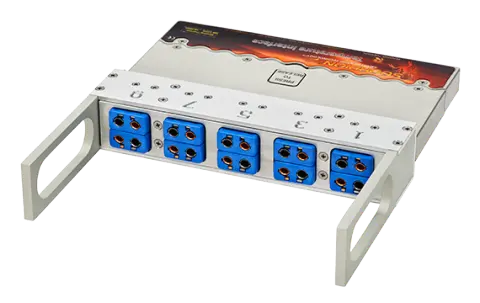
At Reading Thermal, we’ve developed profiling equipment that helps manufacturers measure important oven conditions without making the process needlessly complicated. The SCORPION® 2 Profiling System travels through the oven and collects data through specialized sensors and sensor arrays.
Depending on the bakery’s goals, the system can evaluate temperature, air velocity, humidity, or heat flux. The SCORPION® 2 Data Logger records the measurements, allowing teams to review how conditions changed across the oven and throughout the baking process.
That flexibility matters because every quality concern won’t have the same cause. A browning problem may involve temperature, airflow, or heat transfer. A texture problem could be connected to humidity or moisture removal. Measuring several process conditions helps teams avoid focusing on the wrong explanation.
Better Data Doesn’t Slow Production Down
Thermal profiling isn’t only useful when a serious problem appears. Bakeries can use it when developing products, transferring recipes between ovens, increasing line speed, validating maintenance work, or establishing dependable production settings.
Regular profiles can also provide a useful performance history. When results begin changing, teams can compare new measurements with earlier data. That comparison may reveal an equipment issue before it creates widespread waste or unexpected downtime.
Testing adjustments also becomes easier. After changing a fan setting, damper position, belt speed, or zone temperature, teams can run another profile and see whether conditions actually improved.
An Advanced Path to Better Baking
Thermal profiling helps commercial bakeries understand the conditions behind product quality. It can uncover uneven heating, airflow differences, humidity changes, and other variations that oven settings alone won’t reveal.
When bakery teams can see what’s happening inside their ovens, they’re better equipped to improve consistency, reduce waste, solve problems faster and keep production operating efficiently. Whether you want the answer to the question of “How is thermal profiling used in commercial baking?” or you have any other questions, call Reading Thermal at 610-678-5890 or contact us online.