
Heat flux helps explain what your product actually experiences inside the oven, even when the control panel looks unchanged. For bakeries trying to tighten consistency and reduce energy waste, it can be a game changer. How does heat flux impact bakery oven efficiency? Read on to find out the answer to that question, as well as how Reading Thermal technology can increase that efficiency.
What Heat Flux Measures in Plain Language
Temperature tells you how hot the oven air or surfaces are. Heat flux tells you how much heat energy is moving into the product zone over time. Think of it as how hard the oven is pushing heat into the bake.
That distinction matters because two ovens can show the same temperature and still deliver heat very differently. Air movement, radiant heat from surfaces, and how the oven is loaded all influence the way energy reaches the product. Heat flux captures that combined effect in a way temperature alone cannot.
Why Heat Flux Explains “Mysterious” Bake Outcomes
If you have ever seen these moments, heat flux is often part of the story.
- One day the crust colors faster, even though temperature is unchanged. That can happen when radiant energy increases or airflow shifts and delivers more heat to the product surface.
- Another day the bake seems to run longer, but the zone readings look fine. That can happen when the oven is not transferring energy efficiently. The oven may be hot, but the product is not getting heat in the same way, especially under a heavier load.
- You can also see uneven results across the belt, like one side finishing faster. Temperature checks might miss it, because the air temperature can look acceptable while energy delivery is uneven. Heat flux makes those differences easier to spot and easier to explain to production, maintenance, and quality teams.
How Reading Thermal Measures Heat Flux in Production Conditions
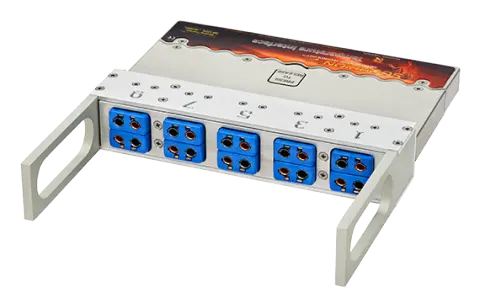
Reading Thermal’s SCORPION® 2 Heat Flux Sensor is built to travel through the oven and capture heat flux at product-level. Instead of relying on what the oven claims it is doing, you get a profile that reflects what is happening along the bake path during real operating conditions.
The sensor works as part of the SCORPION® 2 Profiling System with the SCORPION® 2 Data Logger. You run the profile, download the results, and review them in SCORPION® Software (SV8). The result will be a clear picture you can compare from run-to-run and use as a reference when outcomes drift.
Where Heat Flux Helps You Increase Efficiency
Heat flux data can show you when zones are over delivering energy. That is the situation where product color develops too fast and you compensate by slowing the belt or lowering temperature, which can create dryness later in the bake. By spotting the over delivery, you can make smaller adjustments that protect quality and reduce energy use.
Heat flux can also reveal under delivery. That often shows up when throughput increases and product begins to lag, prompting higher temperatures that drive costs up. If the issue is energy transfer, you may be able to correct airflow, balance zones or address maintenance items instead of simply adding heat.
So, now that you know how heat flux impacts bakery oven efficiency, find out more about how you can benefit from Reading Thermal technology by using our online contact form or calling 610-678-5890.