
If you’re wondering how bakeries measure temperature consistency, the answer is that they turn to Reading Thermal. Measuring temperature consistency isn’t about catching one bad reading. It’s about proving that the heat environment stays stable over time, across zones, and across the full path your product takes. Many bakeries use our technology because it makes that proof easier to collect, easier to interpret, and easier to turn into practical process improvements.
Temperature Consistency Is More Than a Single Number
When people say an oven is consistent, they often mean the set temperature doesn’t change much. But product travels through zones, experiences airflow and reacts to loading patterns. A true consistency check looks at how temperature behaves across the process, not just the setpoint.
Consistency also includes recovery. How fast does the oven return to normal after a door opens, a belt slows, or the line stops? If recovery time varies, product can vary, even if the average temperature looks fine.
What Bakeries Actually Measure to Confirm Consistency
Most bakeries start with a baseline. They record what a good run looks like when product is meeting targets. Then they measure new runs against that reference. The goal is to see whether the temperature curve stays in the same neighborhood, or whether it drifts.
This usually includes checking zone behavior, looking for hot or cool spots and watching how temperature changes during different operating moments, like startups, changeovers, and heavy loading. It also includes verifying repeatability. If you run the same product tomorrow, do you see the same thermal story, or does the curve change?
How Reading Thermal Makes the Process Easier
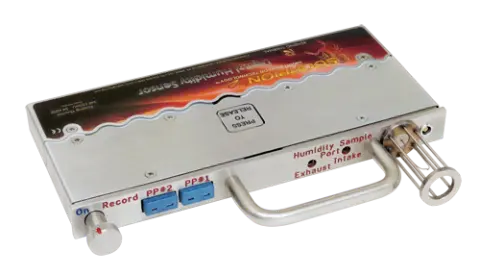
Reading Thermal products are designed to capture real temperature conditions and turn them into usable information. Many bakeries rely on their data loggers to record temperature over time so they can see trends instead of relying on quick spot checks. A trend tells you what happened during the full bake, including the moments that often cause inconsistency.
Reading Thermal also supports profiling, which helps bakeries understand how heat behaves through an oven or process path. Profiling is especially useful when you need to compare zones, validate changes after maintenance or confirm that a new product setup is running the way you expect.
Why Temperature Consistency Protects Quality and Throughput
When temperature stays consistent, everything gets easier. Product color becomes more predictable. Texture stays within a tighter range. Moisture loss is more stable. Shelf life is less likely to surprise you. That reduces rework and helps you avoid the quiet waste that comes from shipping product that is technically acceptable but not quite right.
Consistency also supports training. When operators can see what a good run looks like, they can learn faster. When maintenance makes a change, you can verify the effect without relying on opinion. When quality raises a flag, you can check the record and pinpoint where the shift started.
Making Consistency Checks Part of Daily Habits
The most successful bakeries treat consistency measurement like a routine, not a special project. They build a simple schedule for checks, keep baseline records for core products, and use the data as a shared language across operations, quality, and maintenance.
Reading Thermal technology fits that approach because it helps you collect clear information without creating extra complexity. You can run checks, compare results and make small adjustments before variation turns into a bigger problem.
So, how do bakeries measure temperature consistency? They turn to Reading Thermal. See for yourself by calling 610-678-5890 or using our online form.