
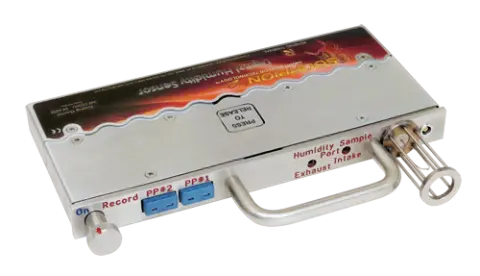
Food safety can’t depend on an oven’s displayed temperature alone. Bakery teams need to know whether each product reaches the necessary internal temperature for the required amount of time. That’s why manufacturers researching the best data loggers for kill step tracking in industrial bakery ovens should look beyond basic temperature recording. Reading Thermal products collect product data during an actual production run and turn those readings into clear documentation that teams can review, save, and compare.
Kill-Step Tracking Isn’t Just Temperature Checking
A kill step is the part of the baking process designed to reduce harmful microorganisms to an acceptable level. The process depends on both temperature and time, so confirming that an oven becomes hot won’t establish that every product receives the necessary treatment.
A product’s internal temperature won’t always match the air temperature around it. Size, shape, moisture, density, recipe, belt position and oven conditions can all affect how quickly heat reaches the product’s center. A reliable data logger must collect readings from the product itself while it moves through the oven.
That information helps bakeries understand when the product reaches the target temperature and how long it remains there. It also creates records that can support a bakery’s food safety program.
A Suitable Logger Can’t Disrupt Normal Production
The best kill-step data logger should travel through the baking process with the product. This approach captures conditions during a normal production run instead of relying on measurements from an empty oven or a stationary test location.
Industrial ovens create intense heat, so the data logger will need a suitable thermal barrier. The barrier protects the electronics while allowing the connected sensors to collect information throughout the baking cycle.
Equipment size also matters. A profiling system shouldn’t interfere with the conveyor, baking pans, oven openings or normal product movement. An easy setup helps teams perform tests without creating unnecessary production delays.
The Right Sensors Won’t Measure the Wrong Thing
Kill-step tracking usually requires product temperature sensors placed at carefully selected points. These sensors may measure the center of a product or another location that represents the slowest heating area.
Reading Thermal’s SCORPION® 2 Profiling System and Data Logger work with smart sensors that travel through the oven with baked products. The system can record product core temperatures throughout the complete process rather than providing only a single reading at the oven exit.
Sensor placement shouldn’t be treated as an afterthought. Poor placement can produce readings that don’t accurately represent the product. Teams should use a consistent method, so repeated tests can be compared with confidence.
Useful Software Shouldn’t Complicate the Results
Collecting hundreds of temperature readings won’t help when the information is difficult to understand. Data logger software should organize those readings into a clear profile that shows how product temperature changed over time.
Reading Thermal’s SCORPION® Software Version 8 (SV8) can use product core temperature data to calculate lethality. This capability helps bakery teams evaluate whether their process achieved the intended kill step.
Reports can also make recurring validation more manageable. Teams can save profiles, document production conditions, and compare results after equipment adjustments, recipe changes, or maintenance work.
The Best System Won’t Just Collect Numbers
With our technology, including the best data loggers for kill-step tracking in industrial bakery ovens, bakeries won’t have to rely on oven settings or endpoint checks alone. They’ll gain a clearer picture of what each product experiences and whether the baking process delivers the intended kill step. Call Reading Thermal at 610-678-5890 or contact us online for more information.